A hierarchy that must renew for life
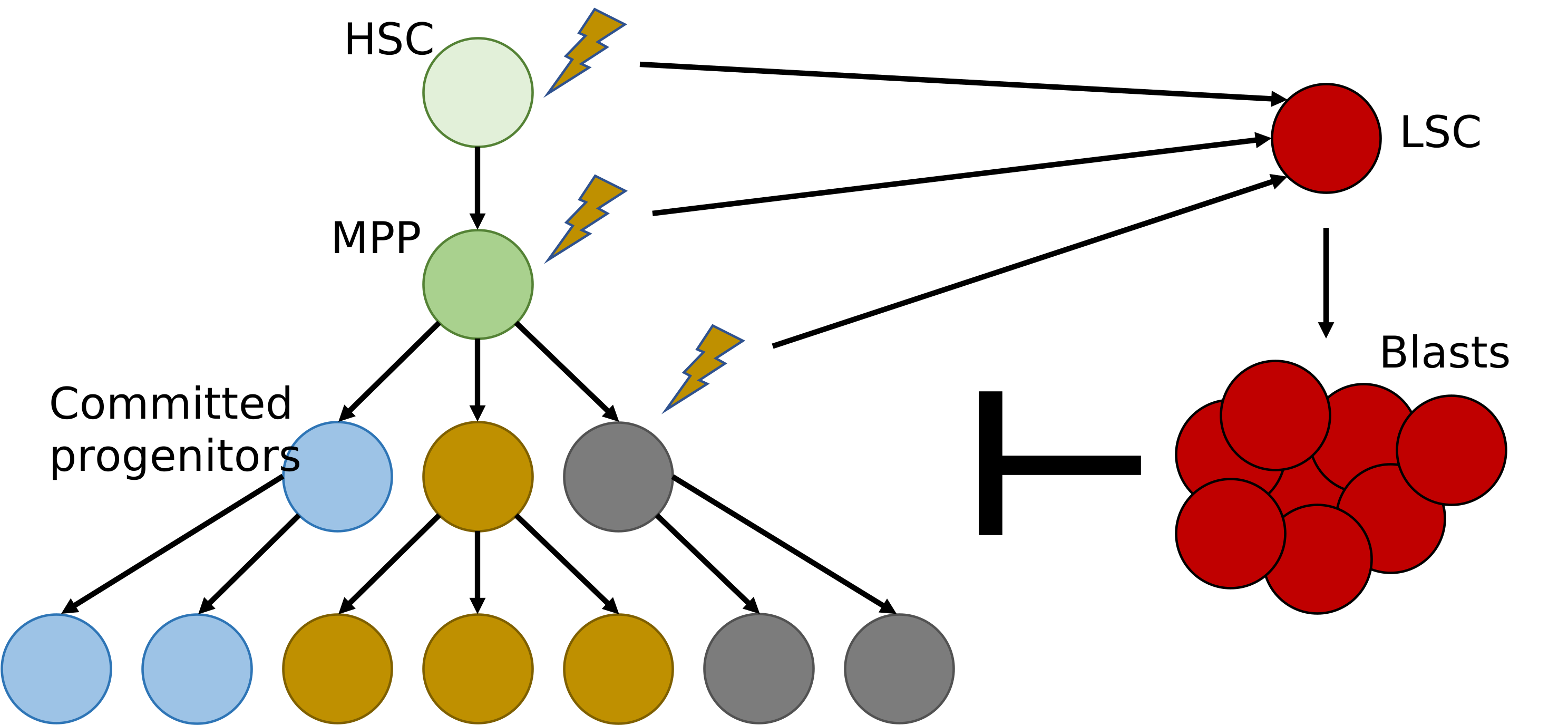
The haematopoietic system is hierarchical: haematopoietic stem cells (HSCs) sit at the top and give rise to multipotent progenitors (MPPs) and committed progenitors. HSCs and MPPs must self-renew to maintain the system for life-long health.
As mutations accumulate, the system can transform into cancers such as acute myeloid leukaemia (AML). AML is itself hierarchical: rare, drug-resistant and highly potent leukaemic stem cells (LSCs) sustain the cancerous blasts, which in turn block healthy blood formation.
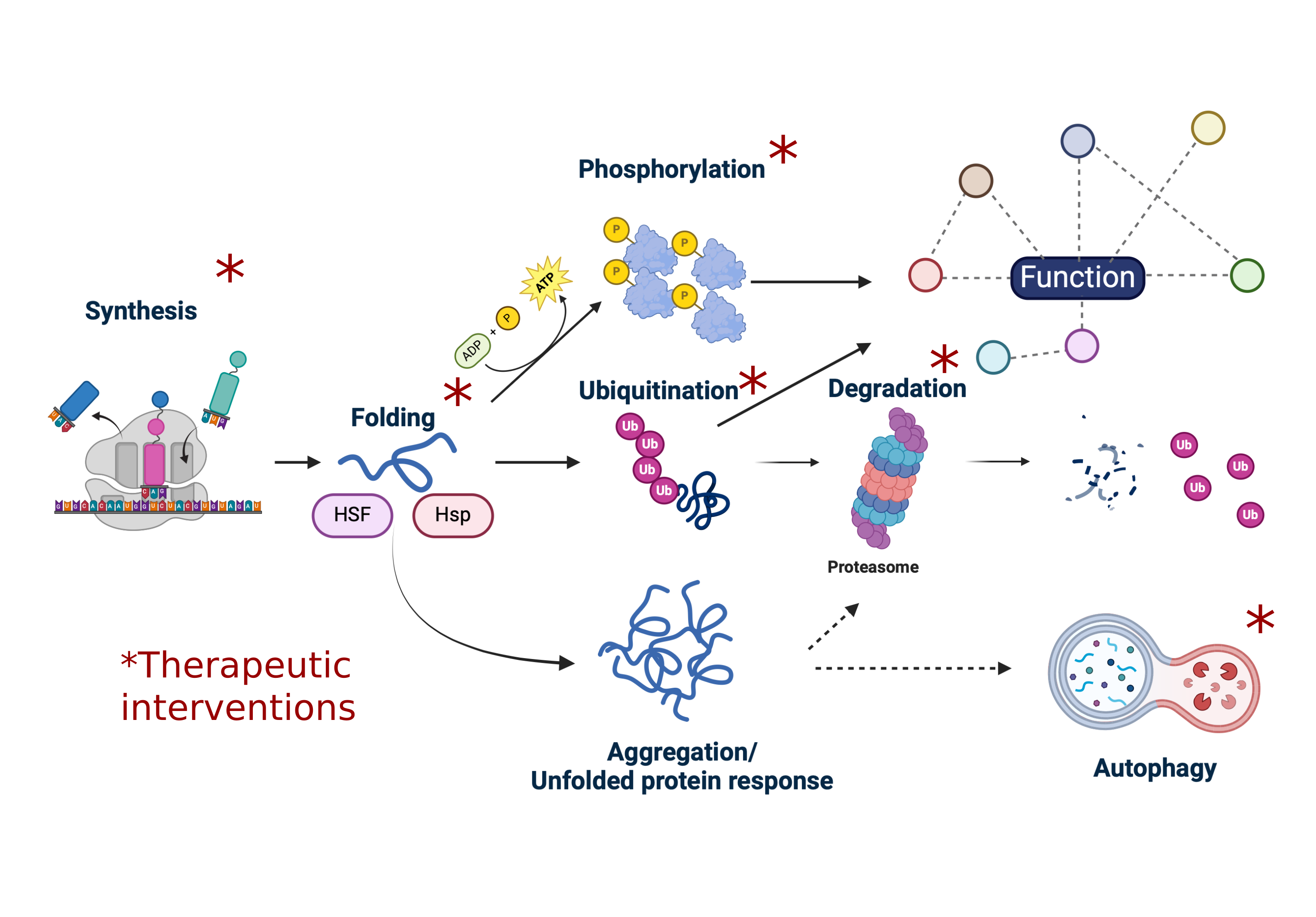
Reading the proteome, not just the transcript
Two decades of transcriptome studies have advanced HSC biology, but left a gap in our understanding of the functional state of the proteome. Proteins are the predominant effectors of cells, and usually the first targets of small molecules.
There is little correlation between the transcriptome and the proteome in young or old mouse HSCs, and the proteome is a better predictor of drug response and survival in haematological malignancies. Yet little is known about the functional proteome of human HSCs. A deeper reading of it can sharpen fundamental stem cell biology, support better non-animal models, and improve regenerative-medicine approaches with real clinical impact.